Structural Drying & Dehumidification in Circle Pines, MN
Wiping a surface dry is not drying a home. Circle Pines water damage pros use air movers and dehumidifiers to dry walls, slabs, and cavities to a verified standard.
☎ (763) 265-6469Tap to call the 24/7 dispatch line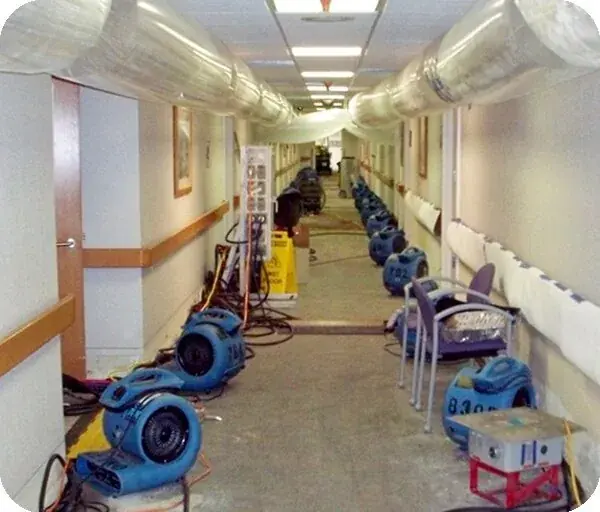
The water you can see is the easy part. The water that soaks into wall cavities, subfloor, framing, and a concrete basement slab is what causes lasting damage and mold, and no amount of mopping or box-fan air reaches it. Structural drying is the science of pulling that hidden moisture out of the building itself and proving it is gone with readings. It is the step that decides whether a water loss ends clean or turns into a mold problem months later. CMN Restoration dries to a verified standard, not to how a surface feels.
Why proper drying matters here
A closed Minnesota basement or a sealed wall cavity is exactly where moisture hides and lingers:
- Drywall and framing wick water well above the visible line and hold it
- A concrete slab and the ground beneath it give up moisture slowly for days
- Still, humid basement air keeps materials from drying and feeds mold growth
- Trapped moisture behind a surface that looks dry is what causes callbacks and rot
Household fans move surface air but do nothing for water trapped inside the structure, which is why commercial equipment is not optional.
Been hit with water and worried it is not really dry? Call for a moisture assessment. A Circle Pines crew is on the way, day or night.
☎ Call (763) 265-6469Structural drying in Circle Pines
After extraction, the drying team builds a plan sized to the loss: air movers positioned to sweep moisture off surfaces and low-grain-refrigerant dehumidifiers to pull it out of the air, sometimes with specialty gear to dry a wall cavity or under flooring without tearing it out. Then the crew measures. The crew logs moisture readings in the affected materials every day and adjusts the equipment until the readings hit a dry standard, following IICRC S500 drying practice. Only then does the crew pull the equipment. It is the same drying that finishes a basement flood or a frozen pipe loss. The crew documents the readings for your carrier.
How structural drying is handled in Circle Pines
Call & dispatch
The response team answers 24/7, and the nearest Circle Pines crew heads out with truck-mounted pumps, air movers, and moisture meters.
On-site assessment
The crew finds the source and the full reach of the water, including what soaked into subfloor and wall cavities.
Extract & dry
The extraction crew pulls the standing water, then runs air movers and dehumidifiers to a verified dry standard, not just the surface.
Verify & document
Moisture readings are logged until the structure is dry, then the loss is documented for your insurance claim.
Why Circle Pines calls the local pros first
Rapid local response
The response team answers 24/7, and the nearest crew heads out the moment you call, day or night, across north Anoka County.
IICRC S500 drying standard
Trained crews with truck-mounted pumps, air movers, and moisture meters dry to a verified standard, not a mop and a fan.
Claim-ready documentation
The loss is documented with photos and daily moisture readings, the paperwork an adjuster needs to move a claim.
Cold-climate water experts
Frozen rim joists, ice dams, frost-line thaw, and finished-basement sump failure, so the local pros know how water moves in a Minnesota winter.
From Circle Pines across north Anoka County
CMN Restoration covers Circle Pines and the north Anoka County suburbs, day or night.
CMN Restoration covers Circle Pines and the north Anoka County suburbs, day or night, with rapid local response.
Coverage runs across Circle Pines, Lexington, Centerville, Lino Lakes, Blaine, Ham Lake, Andover, Coon Rapids, Shoreview, and Hugo.
See every neighborhood and ZIP covered ›Related restoration services
Circle Pines water damage questions, answered
Why can't I just use fans to dry it out?
Household fans move surface air, but they do not pull moisture out of a wall cavity, a subfloor, a concrete slab, or old framing. Commercial air movers and low-grain dehumidifiers dry the structure itself, which is where the damaging moisture hides.
How long does structural drying take?
Most homes dry in three to five days, longer for a saturated basement slab, plaster, or hardwood. A closed basement holds moisture, so the timeline depends on the materials and the airflow. Crews log daily readings and stop only when they confirm it is dry.
How do you know when it is actually dry?
The crew takes daily moisture readings in the affected materials with meters and compares them against a dry standard. When the readings hit that target, the structure is dry, and only then does the crew remove the equipment.
Will drying prevent mold?
Fast, thorough drying is the main defense against mold, which can start within a day or two. Drying the structure to a verified standard removes the moisture mold needs before it can take hold.
Is the equipment loud, and does it use a lot of power?
Air movers and dehumidifiers run continuously and do make noise and use electricity, which is normal and necessary. Running them properly for a few days is what dries the home right and prevents a bigger problem later.
Is drying covered by insurance?
Yes, drying is part of the covered mitigation for most sudden water losses. The crew documents the equipment, the daily readings, and the drying record for your carrier.
Circle Pines' water damage crew is standing by
Water sitting means damage spreading. Call CMN Restoration and a local crew heads out, day or night.
(763) 265-6469Call now, a local Circle Pines crew picks up day or night